The job
Firebreak Creation and Maintenance
Fuel load removed and processed on site, not piled up or burned.
Get an Estimate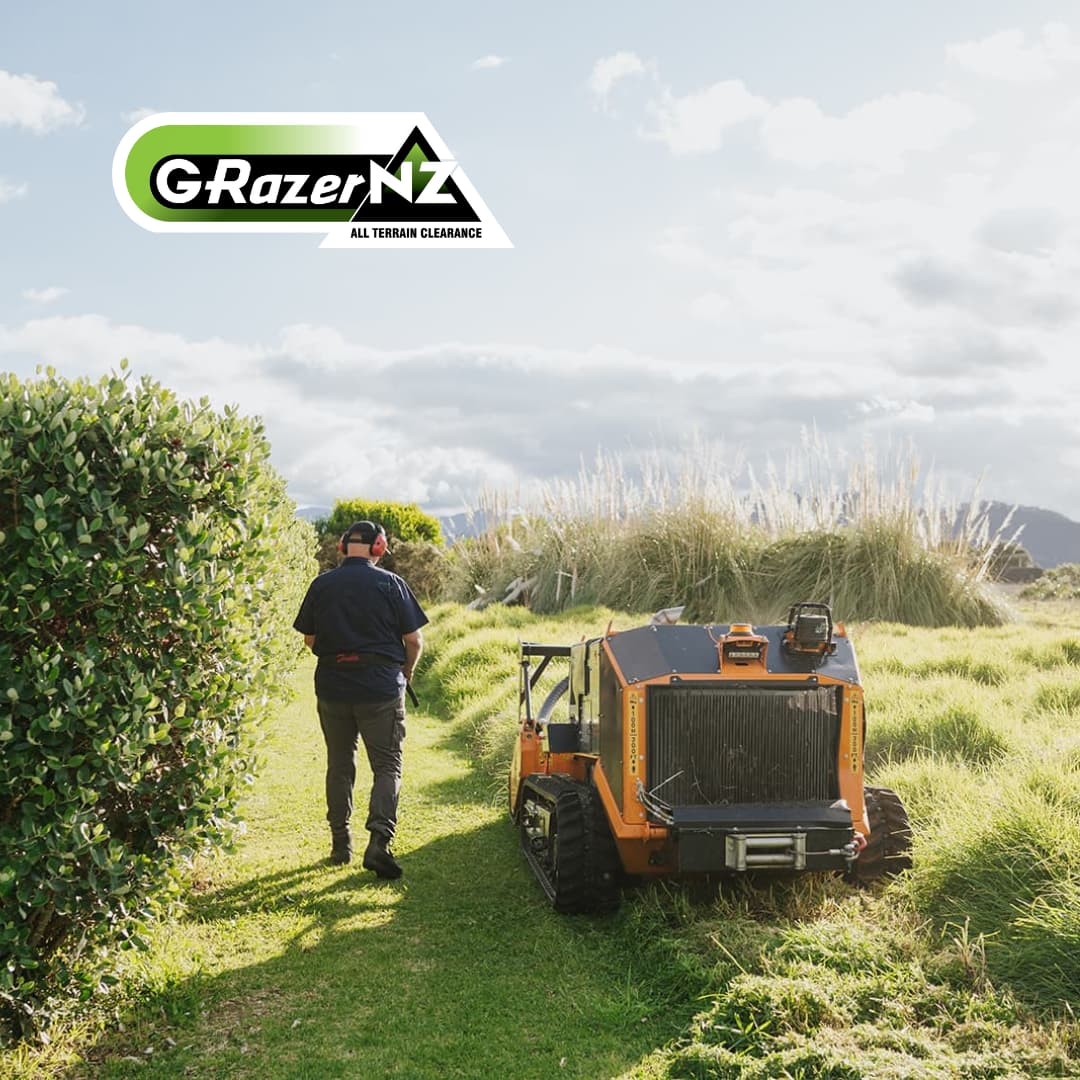
What it involves
Cutting and maintaining a cleared strip that removes the continuous fuel between a hazard and what you are protecting, a dwelling, a settlement, a plantation edge or an asset.
Why it has not been done
The fuel load is the problem, and most methods move it rather than remove it. Cutting and piling leaves a heap that is worse than what you started with. Spraying leaves standing dead material, which is drier and more flammable than the living plant it replaced.
How we do it
We mulch the strip and process the material into a fine layer on the ground, which removes the standing fuel and the accumulated dead material together. Nothing is burned and nothing is piled. Slopes to 55 degrees means the break can follow the terrain rather than stopping where the machinery does.
5.0 out of 5
Rated 5.0 from 27 Google reviews by landowners, farmers, contractors and councils across the North Island.
Who this is usually for
- ForestryUndergrowth, inter-rotation regrowth, boundaries and firebreaks on steep plantation country.
- Councils and reservesReserves, stormwater land, roadside banks and tracks, done by a contractor who clears prequalification.
- Utilities and solarEasements, corridors and solar arrays kept clear, mechanically, without chemical programmes.
What is usually growing there
- Pampas grassHuge clumps, prolific windborne seed, and a serious fire load. Common on banks, roadsides and coastal margins.
- GorseThe big one. Dense, spiny, seeds for decades, and it takes hold on exactly the slopes a tractor cannot work.
- Wilding pinesA national problem at landscape scale. Catch them small and it is a mulching job; leave them and it becomes a forestry operation.

Ready to reclaim your land?
Mulching and land clearing specialists for tough terrain across the North Island.