
Pest plant control
Wilding Pine Control and Clearing
A national problem at landscape scale. Catch them small and it is a mulching job; leave them and it becomes a forestry operation.
Get an Estimate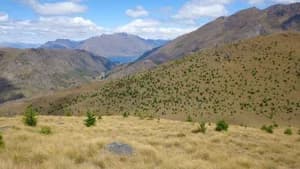
SHE Pre-Qual, Tōtika & IMPAC Certified




How to identify wilding pines
- Self-sown conifers, most often contorta, radiata, Douglas fir or larch, growing where nobody planted them.
- Scattered and irregular rather than in rows, which is the quickest way to tell them from a planted block.
- Often spreading downwind of an existing shelterbelt, woodlot or plantation edge.
- Colonise tussock, scrub, retired pasture and steep faces that are not actively grazed.
Why it is a problem on your land
Wilding conifers convert open country into closed canopy, and once that happens the change is expensive to reverse. They take out grazing, dry out catchments, shade out native regeneration, and every year they are left they get closer to producing their own seed and starting the cycle again somewhere downwind. The economics are brutally simple: a seedling is cheap to deal with, a ten-year-old tree is not.
Why spraying alone does not solve it
Chemical control of conifers is slow, expensive at scale, and leaves a landscape of standing dead trees that carry fire risk and still have to come down eventually. Boom spraying is rarely appropriate on the kind of mixed and steep country wildings occupy, and hand releasing across a hillside is limited by how much ground a crew can physically cover in a day.
GRazer do not spray. Herbicide is a legitimate tool and there are situations where it is the right call, but it is not a service we offer. What we do is remove the plant mechanically.
How we clear wilding pines
We mulch wilding stands mechanically, taking the tree and processing it into the mulch layer on site so nothing needs carting out. Our capacity to 200mm to 300mm covers a substantial wilding, and remote operation on slopes to 55 degrees means we can take on the faces where wildings do their best work. The right time to call is earlier than most people think.
What the site looks like afterwards
The country is open again and back in view, and the mulch breaks down into the soil rather than being burned or hauled away. Wilding control is genuinely a programme rather than a single job, because seed keeps arriving from any source still standing nearby. A cleared block that gets checked every couple of seasons stays clear cheaply.
Wilding pines questions we get asked
How big can the pines be before mulching stops working?
Do you burn the material?
Is it worth doing if the seed source is still next door?
Other weeds we clear
Most sites have more than one. If you are looking at a mix, that is normal and it does not change the job much.
- GorseThe big one. Dense, spiny, seeds for decades, and it takes hold on exactly the slopes a tractor cannot work.
- Woolly nightshadeFast, tall, toxic to handle, and a declared pest plant across most of the North Island. Second only to gorse for search interest.
- BlackberryLow, dense, thorny and endlessly persistent. The classic gully and fence-line invader.
- BambooDense, woody and famously hard to get rid of. This is where material capacity actually decides whether the job is possible.
- Pampas grassHuge clumps, prolific windborne seed, and a serious fire load. Common on banks, roadsides and coastal margins.
- KikuyuNot scrub, but it gets away from people just as badly. Rank kikuyu on a bank defeats most mowers.
Dealing with wilding pines?
Send us the address and a few photos and we will come back with an estimate. No site visit needed for most jobs.