
Pest plant control
Kikuyu Control and Mulching
Not scrub, but it gets away from people just as badly. Rank kikuyu on a bank defeats most mowers.
Get an Estimate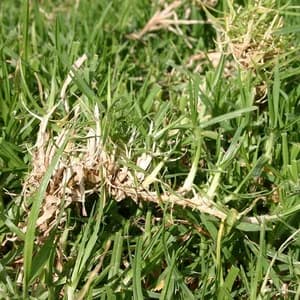
SHE Pre-Qual, Tōtika & IMPAC Certified




How to identify kikuyu
Pennisetum clandestinum
- Vigorous creeping grass that spreads by thick above-ground runners as well as underground.
- Forms a deep dense mat, and when it gets away it stands well above normal pasture height.
- Bright green, coarse and soft-stemmed rather than woody.
- Dominant on warmer North Island country, especially coastal and northern districts.
Why it is a problem on your land
Kikuyu is a useful pasture grass right up until it is not. Once it gets rank it smothers everything finer, builds a thick thatch that stops new growth, hides hazards and rubbish, and becomes too heavy for a domestic mower or a ride-on to handle. On a bank or terrace it is often left simply because nothing available can safely get on it, and each season it gets worse.
Why spraying alone does not solve it
You can kill kikuyu, but on most properties the goal is not a bare paddock, it is usable ground with a clean finish. Killing rank kikuyu leaves a thick mat of dead thatch sitting on the surface, which still has to break down and still stops anything growing underneath it. If the aim is presentation and usability, cutting it is the answer, not killing it.
GRazer do not spray. Herbicide is a legitimate tool and there are situations where it is the right call, but it is not a service we offer. What we do is remove the plant mechanically.
How we clear kikuyu
This is flail mowing rather than mulching. We use light and heavy-duty remote-controlled flail mowers that cut rank growth back to an even finish without the scalping and clumping you get from a ride-on on uneven ground. Slopes to 55 degrees are within reach, so the banks and terraces that have been skipped for years can be brought back into a normal maintenance cycle.
What the site looks like afterwards
You get a clean, even, controlled finish rather than rows and clumps, and the site goes back into a maintenance cycle you can actually keep up with. Many clients move to a regular seasonal cut once the initial rank growth is dealt with.
Kikuyu questions we get asked
Is this mulching or mowing?
Will it scalp on uneven ground?
Other weeds we clear
Most sites have more than one. If you are looking at a mix, that is normal and it does not change the job much.
- GorseThe big one. Dense, spiny, seeds for decades, and it takes hold on exactly the slopes a tractor cannot work.
- Woolly nightshadeFast, tall, toxic to handle, and a declared pest plant across most of the North Island. Second only to gorse for search interest.
- Wilding pinesA national problem at landscape scale. Catch them small and it is a mulching job; leave them and it becomes a forestry operation.
- BlackberryLow, dense, thorny and endlessly persistent. The classic gully and fence-line invader.
- BambooDense, woody and famously hard to get rid of. This is where material capacity actually decides whether the job is possible.
- Pampas grassHuge clumps, prolific windborne seed, and a serious fire load. Common on banks, roadsides and coastal margins.

Dealing with kikuyu?
Send us the address and a few photos and we will come back with an estimate. No site visit needed for most jobs.